
St. Louis author spotlights addiction once again, this time with film
A confrontation at a book-signing event led to a project about a little-used treatment drug.
ST. LOUIS (First Alert 4) — Local investigative journalist Ben Westhoff was in high spirits at an event a few years ago for his newly released book exposing the depths of the fentanyl crisis in the U.S. People came up to shake his hand, take pictures, and get their own copy signed by the St. Louis-based author.
Westhoff posed as a drug dealer to go undercover at a Chinese fentanyl lab and met a drug kingpin who would later be on the DEA’s Most Wanted list. The book sheds light on the pipeline of fentanyl from China to the U.S. that’s linked to hundreds of thousands of preventable deaths. Westhoff has spoken at a Congressional hearing on China’s role in the fentanyl crisis and has been a guest on Joe Rogan’s podcast.
But at that book event held in St. Louis, there was someone in the crowd who wasn’t amused by Westhoff’s knowledge on drug addiction.
“There was one guy who came up and said, ‘Everything you said about treatment and recovery is wrong,’” Westhoff recalled. “And I was like, ‘Who are you? Who is this guy?’”
That man was Percy Menzies, a 5-foot-something Indian man with white hair who’s almost always dressed in a button-down shirt and suit jacket. His thick accent is unmistakable, as is his voice of dissent in the addiction treatment field.
Menzies said Westhoff brushed him off, but he left his business card in case he changed his mind. A few months later, he got a call from the journalist who wanted to know more about Menzies’ St. Louis treatment clinic.
There’s a drug, Menzies claimed, that has been massively underutilized in treating alcohol and opioid use disorders. He contends the lack of its use as a tool against addiction is leaving people without one of the few viable options to control their drinking or prevent dangerous opioid use — and ultimately costing people their lives.
More than 200,000 people die annually in the U.S. from alcohol-related causes and drug overdoses, according to CDC data. Menzies is outspoken about the failures across the country to adequately treat the illnesses and the stigma around addiction.
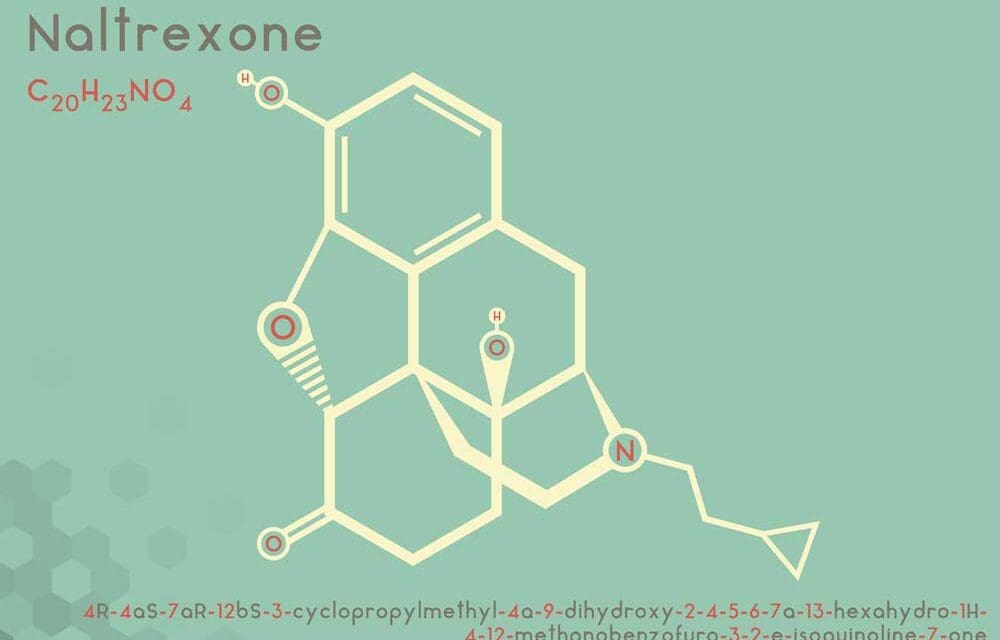
He would eventually convince Westhoff to do a story about a specific drug, naltrexone, which Menzies claimed is overshadowed. The project turned into the documentary film “Antagonist: How A Wonder Drug Got Sidelined,” which premieres Saturday in St. Louis County. It’s Westhoff’s first documentary, and it centers on how naltrexone has been practically invisible to the public for decades as addiction continues to claim lives at an epidemic level.
Westhoff’s reporting took him coast to coast looking for answers, but much of it focuses on St. Louis. He eventually got the impression that more people should be aware of naltrexone.
“We have this system that’s so screwed up where we’re bombarded with ads for alcohol every day, but most people don’t even realize that there’s a pill that can help you with the problem,” Westhoff said.
A rejected product
Dupont Pharma introduced naltrexone to the market in 1984. Its purpose was to prevent relapse of heroin use. Menzies was one of the company’s representatives, charged with promoting naltrexone as an alternative to the opioid treatment drug methadone.
No one was interested, according to Menzies.
“The rejection and the hostility that we faced was unprecedented,” he said.
He was used to curiosity with other new drugs in the medicine field. But he couldn’t even give away naltrexone. The company was throwing away half a million pills a year.
Within two years, he said, Dupont stopped promoting naltrexone. A doctor later discovered the drug could be used to treat excessive alcohol use, potentially a breakthrough in treating the disease. It’s been approved by the FDA for that use for the last 30 years.
In 2001, Menzies made a leap of faith by quitting his job and starting a drug treatment clinic in St. Louis called the Assisted Recovery Centers of America (ARCA). He was leaving a decent job as a drug rep to run a business that treats a heavily stigmatized disease that is often cast by society as a moral failing, rather than an illness that calls for medical intervention.
Menzies, though, sees the failing as institutional rather than individual. The potential he saw in naltrexone to widely treat alcohol use disorder and be a preventative tool for opioid misuse was brushed aside right in front of his eyes.
“This is basically a David vs. Goliath story because you’ve got this guy, Percy Menzies, who’s kind of shouting into the wind about this medicine,” Westhoff said, “and he’s been rejected and yelled at and harassed for decades. But he’s still fighting, and here in St. Louis, he’s had a lot of success.”
To date, Menzies said ARCA has given more than 40,000 injectable shots containing naltrexone, and the clinic currently serves 4,200 people for substance use in the St. Louis region.
Naltrexone is certainly not without its critics in the Opioid Use Disorder (OUD) treatment field. One is Dr. Luis Giuffra, who’s treated opioid addiction for more than 20 years. He said the promotion of naltrexone, which isn’t an opioid itself like the other two FDA-approved drugs for OUD, is “emotionally appealing but medically unsound” when it comes to treating opioid addiction. He argued the two other drugs for OUD, methadone and buprenorphine, are better at preventing overdose and death.
Giuffra is the medical director of The Aviary Recovery Center an hour north of St. Louis and a voluntary professor of clinical psychiatry at Washington University. He pointed to the risks associated with naltrexone, such as a lower tolerance to opioids and a waiting period of about a week before an opioid user can transition to it.
“He’s wrong for promoting that, specifically for opioid use disorders,” Giuffra said of Menzies. “It’s not the first-line treatment.”
Despite the disagreement, Giuffra called Menzies “one of the most positive contributors to [addiction treatment] in the city.” He did find common ground with Menzies on using naltrexone for alcohol treatment, the risks in that regard being much less due to lower barriers to treatment. Still, almost no one knows it’s an option for excessive drinking.
Westhoff said for “Antagonist,” he looked for reasons why that might be the case.
Drugs and money
Almost everything Westhoff read about naltrexone was negative. What was out there portrayed it as not helpful or even dangerous, he said. But with his curiosity piqued, he set out across the country to find out more about the addiction treatment landscape.
He visited the Tenderloin neighborhood in San Francisco, which he called Ground Zero for the opioid epidemic. He went to the East Coast to talk with people who developed naltrexone. He also spoke with a lobbyist for another treatment drug, which he pointed to as part of the pushback against naltrexone. The lobbyist, he said, admitted the profit structures for methadone clinics don’t align with offering a treatment option like naltrexone.
Although the commercial injectable version of naltrexone is more expensive, Westhoff said he found it’s nowhere near the money found in other drugs. But, he said, he wanted the film to highlight the potential of helping people despite how much money can be made from the drug.
He clarified that he’s not necessarily advocating that naltrexone is better than other treatment options, a statement Menzies also echoed in an interview. Years after their first, confrontational encounter, they agreed that substance users should have access to all FDA-approved options.
“I want this film to raise awareness about a medicine that has the potential to save thousands and thousands of lives at a time when we need it most,” Westhoff said.
The film screening this Saturday, December 13, will be at the Clark Family Branch of the St. Louis County Library. The screening will start at 7 p.m. after a panel discussion. The event is free to attend.
Copyright 2025 KMOV. All rights reserved.
This article was originally published on FirstAlert4.com: https://www.firstalert4.com/2025/12/09/st-louis-author-spotlights-addiction-once-again-this-time-with-film/